

 English
 Pусский

recarburizer الكربون للتزوير
Carbon Recarburizer for Forging: An Overview In the forging industry, maintaining precise carbon content in molten metal is critical to achieving desired mechanical properties in the final product. A carbon recarburizer is a high-carbon additive used to adjust and restore carbon levels in steel or cast iron during the melting process. This ensures optimal hardness, strength, and wear resistance in forged components. Composition and Types Carbon recarburizers are typically made from high-purity carbon sources such as petroleum coke, graphite, or calcined anthracite coal. These materials are processed to minimize impurities like sulfur, nitrogen, and ash, which could negatively affect metal quality. The two primary forms of recarburizers are: 1. Graphite-based – Offers high carbon yield (95-99%) and excellent absorption rates due to its crystalline structure. 2. Calcined petroleum coke (CPC) – A cost-effective option with carbon content around 98-99%, suitable for general forging applications. Key Functions - Carbon Adjustment: Compensates for carbon loss during oxidation in electric arc furnaces (EAF) or induction furnaces. - Improved Melt Quality: Enhances fluidity and reduces gas porosity in the metal. - Cost Efficiency: Reduces reliance on high-carbon raw materials like pig iron, lowering production costs. Application in Forging Recarburizers are added during the late stages of melting to maximize absorption. The particle size (typically 1-5mm) influences dissolution speed—finer particles melt faster but may cause dust loss, while coarser ones provide gradual carbon release. Proper mixing and temperature control (1500-1600°C) are essential to ensure uniform carbon distribution. Benefits - Consistent Carbon Levels: Ensures uniformity in mechanical properties across batches. - Reduced Defects: Minimizes cracks and brittleness caused by carbon deficiency. - Environmental Advantage: Some recarburizers produce fewer emissions compared to alternatives. Selection Criteria When choosing a recarburizer, factors include carbon content (>98%), low sulfur/phosphorus levels, and particle size distribution. Forging applications demanding high precision (e.g., automotive or aerospace parts) often require ultra-pure graphite recarburizers. Conclusion Carbon recarburizers play a vital role in forging by optimizing carbon content, improving metal quality, and reducing costs. Selecting the right type and ensuring proper application techniques are key to achieving superior forged products with enhanced durability and performance.
نتاج
تصنيف:
منتجات الكربون
-
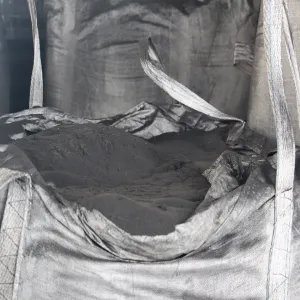
مكربن الفحم SH-CC
تصنيفها: وقودالمشاهدات: 7عدد:وقت الإصدار: 2025-11-05 17:41:33تلعب أجهزة إعادة الكربنة الكربونية دورًا محوريًا في عمليات الحدادة الحديثة، مما يضمن التركيب الأمثل للفولاذ والخواص الميكانيكية. نظرًا لأن الصناعات تتطلب مكونات مزورة عالية الجودة، فقد أصبح استخدام عوامل إعادة الكربنة المتقدمة أمرًا لا غنى عنه. -
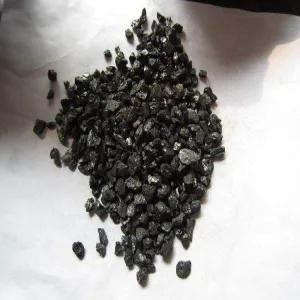
في كيس 25 كلغ، ثم إلى 1000 كلغ من رافع الكربون بالفحم
تصنيفها: وقودالمشاهدات: 8عدد:وقت الإصدار: 2025-11-05 17:58:03يتم الحصول على كاربوران الفحم بشكل رئيسي من تكليس الفحم المغسول بالماء في نينغشيا. لا يزيد محتوى الكربون في كاربوران الفحم عن 95٪ من محتوى الورق، ولكن السعر المنخفض يجعله يستخدم على نطاق واسع في صناعة الصلب. -

الفحم المكربن
تصنيفها: وقودالمشاهدات: 8عدد:وقت الإصدار: 2025-11-05 17:59:52يتم الحصول على كاربوران الفحم بشكل رئيسي من تكليس الفحم المغسول بالماء في نينغشيا. لا يزيد محتوى الكربون في كاربوران الفحم عن 95٪ من محتوى الورق، ولكن السعر المنخفض يجعله يستخدم على نطاق واسع في صناعة الصلب.

أخبار
تصنيف:
لا توجد نتائج بحث!
حالة
تصنيف:
لا توجد نتائج بحث!
فيديو
تصنيف:
لا توجد نتائج بحث!
تحميل
تصنيف:
لا توجد نتائج بحث!
تجنيد
تصنيف:
لا توجد نتائج بحث!
المنتجات الموصى بها
لا توجد نتائج بحث!



 واتس اب
 هاتف
هاتف صندوق البريد